May 14, 2026
How to Find Freelance Work as a Graphic Designer
To find freelance work as a graphic designer, post your services on r/forhire and r/freelance_forhire, create targeted gigs on Fiverr, bid selectively on Upwork, build a 3-project portfolio on Behance, and pitch clients directly through LinkedIn. Most beginners land their first paid project within 2 to 4 weeks by responding to fresh posts within the first few hours.
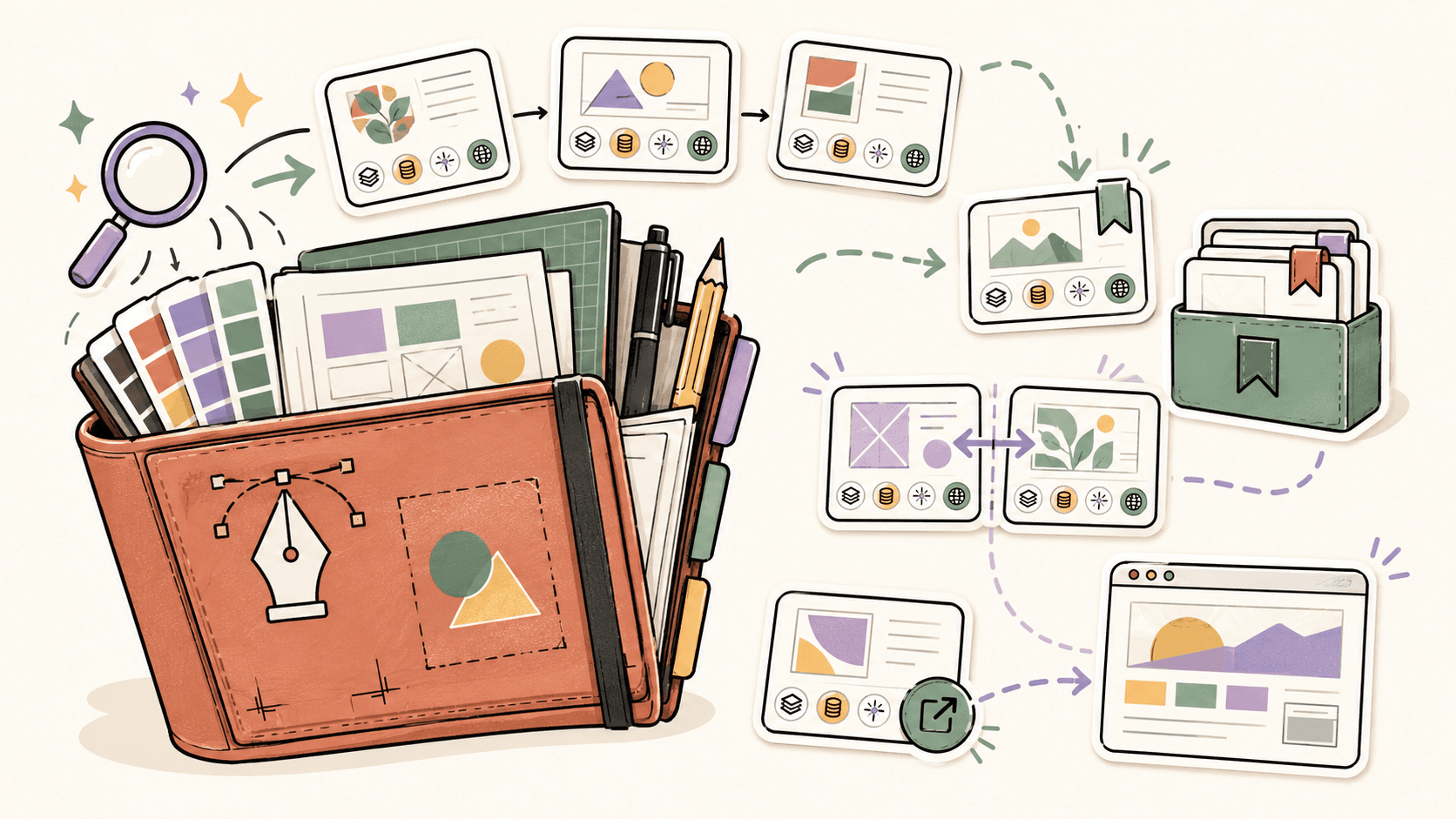
Finding freelance graphic design work means knowing where opportunities appear, showing up before posts go cold, and responding faster than everyone else. This guide covers the specific platforms, realistic rates, and a repeatable daily workflow you can start using today.
Where Do Graphic Designers Find Freelance Work Online?
Freelance graphic design opportunities show up across several categories of platforms. Each works differently, and most designers use a combination rather than relying on one source.
Community boards (Reddit):
- r/forhire (1.3M members): The largest freelancer-focused subreddit. Clients post with the [H]iring flair. You post with [For Hire] flair. Sort by New and search "[H]iring graphic designer" or "[H]iring logo design" to find fresh posts.
- r/freelance_forhire (90K members): Specifically for freelancers advertising services. Post your own ad with your rates and portfolio link.
- r/WorkOnline (1.6M members): Broader online work discussions and gig shares. Filter by Hiring flair and look for posts with clear scope and payment terms.
Freelance marketplaces:
- Upwork: Best for beginners building a portfolio. Wide range of project sizes. Commission is 10-20% on a sliding scale (20% for the first $500 with a client, 10% for billings over $10,000). Logo design projects typically range from $50-500. Brand identity packages run $300-2,000.
- Fiverr: Best for productized creative services with quick turnaround. You create gig listings with clear deliverables and pricing tiers (Basic/Standard/Premium). Commission is a flat 20%. Logo gigs commonly start at $25-50 for basic packages and go up to $200-500 for premium tiers with full brand files.
- Contra: Commission-free freelance platform. Growing fast for creative work. Good for designers who want to avoid the 10-20% marketplace cut.
Portfolio platforms:
- Behance: Adobe's portfolio platform. Essential for graphic designers. Clients and art directors browse Behance to find designers.
- Dribbble: Design-focused community. Popular for UI/UX and branding work. Pro accounts get access to a freelance project board.
Direct outreach:
- LinkedIn: Search for "looking for a graphic designer" or "freelance designer" in posts. Filter by date to find recent requests. Direct messages to creative directors and marketing leads at mid-size companies also work.
- Cold email: Find companies whose branding looks outdated or inconsistent. Send a short email with 2-3 relevant work samples and a specific suggestion.
How Do You Use Reddit to Find Graphic Design Gigs?
Reddit is one of the fastest sources for freelance design work because clients post when they need something immediately. Here is a specific walkthrough.
Step 1: Search r/forhire for fresh hiring posts.
Go to reddit.com/r/forhire. Sort by New. In the search bar, type "[H]iring" and filter to this subreddit. Look for posts from the last 12 hours. Anything older than 24 hours usually already has enough responses.
Step 2: Evaluate the post before responding.
Check the poster's account history. A legitimate client usually has a regular posting history, not a brand new account. Look for posts that include specific project details, timeline, and budget range. Vague posts like "need a logo, tell me your price" often lead to low-paying work or time-wasters.
Step 3: Respond with a focused message.
Your response should include:
- A one-sentence summary of what they need (shows you read the post)
- 2-3 relevant portfolio pieces (not your entire portfolio)
- Your rate or rate range
- Your availability and turnaround time
Example: "Saw you need a logo and brand guide for your coffee roastery. Here are two food/branding projects I completed recently: [link 1] [link 2]. I charge $300-600 for a logo with basic brand guidelines depending on scope. Available to start this week with a 5-day turnaround."
Step 4: Post your own [For Hire] ad weekly.
On r/forhire and r/freelance_forhire, create a post with the [For Hire] flair. Include your specialization (logo design, brand identity, social media graphics, presentation design), your experience level, your rate range, and a link to your portfolio. Post once per week. Change the text slightly each time.
Browse today’s opportunities on Sidequestboard
What Should Your Graphic Design Portfolio Include?
You do not need 20 projects in your portfolio. Three strong, relevant projects beat a sprawling collection of mediocre work.
Project 1: A complete brand identity project. Show the logo, color palette, typography choices, and mockups of the brand applied to real-world items (business cards, social media posts, packaging). This demonstrates strategic thinking, not just visual design.
Project 2: A specific deliverable type you want to be hired for. If you want logo design work, show a logo project with variations, sketches, and the final mark. If you want social media graphics, show a cohesive set of 6-8 posts for one brand.
Project 3: A project with measurable results or a clear brief. Include the original brief, your process, and the outcome. Even personal or speculative projects work here if you create a realistic brief for yourself.
Host your portfolio on Behance for free. Use project titles that match what clients search for: "Coffee Shop Brand Identity" not "Project 3." Add tags like "logo design," "brand identity," "packaging design" so your work appears in search results.
How Do You Set Rates as a Beginner Freelance Graphic Designer?
Rates vary by experience level, project type, and client budget. Here are realistic ranges based on current market data.
Hourly rates:
- Beginner (0-1 years): $20-35/hour
- Intermediate (1-3 years): $35-60/hour
- Experienced (3+ years): $60-100+/hour
Project-based rates (more common for design work):
- Logo design: $150-500 (beginner), $500-2,000 (intermediate)
- Brand identity package: $300-1,500 (beginner), $1,500-5,000 (intermediate)
- Social media graphics: $25-75 per post, $200-600 for a set of 10
- Presentation design: $200-800 per deck
On Upwork, most beginner graphic designers charge $20-30/hour and gradually raise rates as they complete projects and collect reviews. On Fiverr, logo gigs typically start at $25-50 for the basic tier.
When a client asks for your rate, respond with a range based on the project scope, not a single flat number. This keeps the conversation going and gives you room to negotiate.
How Do You Find Freelance Design Work on LinkedIn?
LinkedIn works for freelance design when you use it for active outreach rather than passive posting.
Search for active requests. Type "looking for a graphic designer" or "need a freelance designer" into the LinkedIn search bar. Filter by Posts and sort by Latest. You will find people actively asking for designer recommendations. Respond to these posts with a brief introduction and a link to your portfolio.
Target specific companies. Search for "creative director" or "marketing manager" at companies whose visual branding you could improve. Send a connection request with a short note: "Hi [Name], I noticed [Company] is expanding its product line. I am a freelance graphic designer specializing in packaging and brand identity. I recently completed a similar project for [Brand]: [link]. Happy to share some ideas if useful."
Post your work regularly. Share one project per week with a short description of the brief and outcome. Use hashtags like #graphicdesign, #brandidentity, and #freelancedesigner. This builds visibility over time.
What Is a Realistic Daily Workflow for Finding Freelance Design Work?
Here is a repeatable daily workflow that takes 45-60 minutes.
Morning (20 minutes):
- Check r/forhire and r/WorkOnline sorted by New. Search for "[H]iring" and "graphic design" or "logo." Respond to any posts from the last 8 hours that match your skills.
- Check Contra and Upwork for new project postings. Send 2-3 proposals on projects with clear briefs and realistic budgets.
- Browse Dribbble's freelance project board if you have a Pro account.
Afternoon (15 minutes):
- Search LinkedIn posts for "looking for a graphic designer" filtered by Latest. Respond to any fresh requests.
- Send one cold email or LinkedIn message to a potential direct client.
Evening (10 minutes):
- Review your Fiverr gig analytics. Adjust titles or pricing if impressions are low.
- Check r/freelance_forhire and respond to any relevant posts.
- Update your portfolio if you completed a project that day.
The key is consistency. Checking daily means you catch opportunities within hours of posting, before they get buried.
How Can Sidequestboard Help You Find Freelance Design Opportunities Faster?
The daily workflow above requires checking Reddit, LinkedIn, Contra, and other sources separately. That means 6-8 tabs minimum, every day, often multiple times per day.
Sidequestboard pulls fresh opportunity posts from public communities and social platforms into one feed. Instead of manually sorting r/forhire by New, scrolling LinkedIn posts, and checking multiple job boards separately, you scan a single dashboard for relevant design gigs.
Here is what you can do with it:
- Browse curated freelance and gig posts from public sources in one place
- Save opportunities that match your skills so you can respond when you are ready
- Open the original listing directly and apply or pitch on the source platform
- Spend less time searching through noise and more time actually responding to leads
There is no marketplace commission because Sidequestboard is not a marketplace. It is a discovery tool that surfaces public posts you might otherwise miss or find too late.
If you are tired of juggling tabs every morning to find fresh design work, give it a try. The 7-day trial lets you test the workflow against your current process.
Related guides
- How to Get Freelance Clients on LinkedIn: Profile, Search, Outreach, and Lead Workflow
- How to Find Freelance Leads in Online Communities
- How to Decide Which Freelance Gigs Are Worth Applying To
- How to Write a Freelance Proposal That Wins Clients
- How to Find Small Paid Projects Outside Freelance Marketplaces