August 23, 2026
How to Follow Up After an Interview Without Sounding Desperate (With Templates)
Send one thank-you email within 24 hours of the interview, then wait until the stated decision date passes before sending a single follow-up. Keep follow-ups short, reference something specific from the conversation, and add new value instead of asking again. Two polite messages over two weeks reads as professional; daily messages read as desperate.
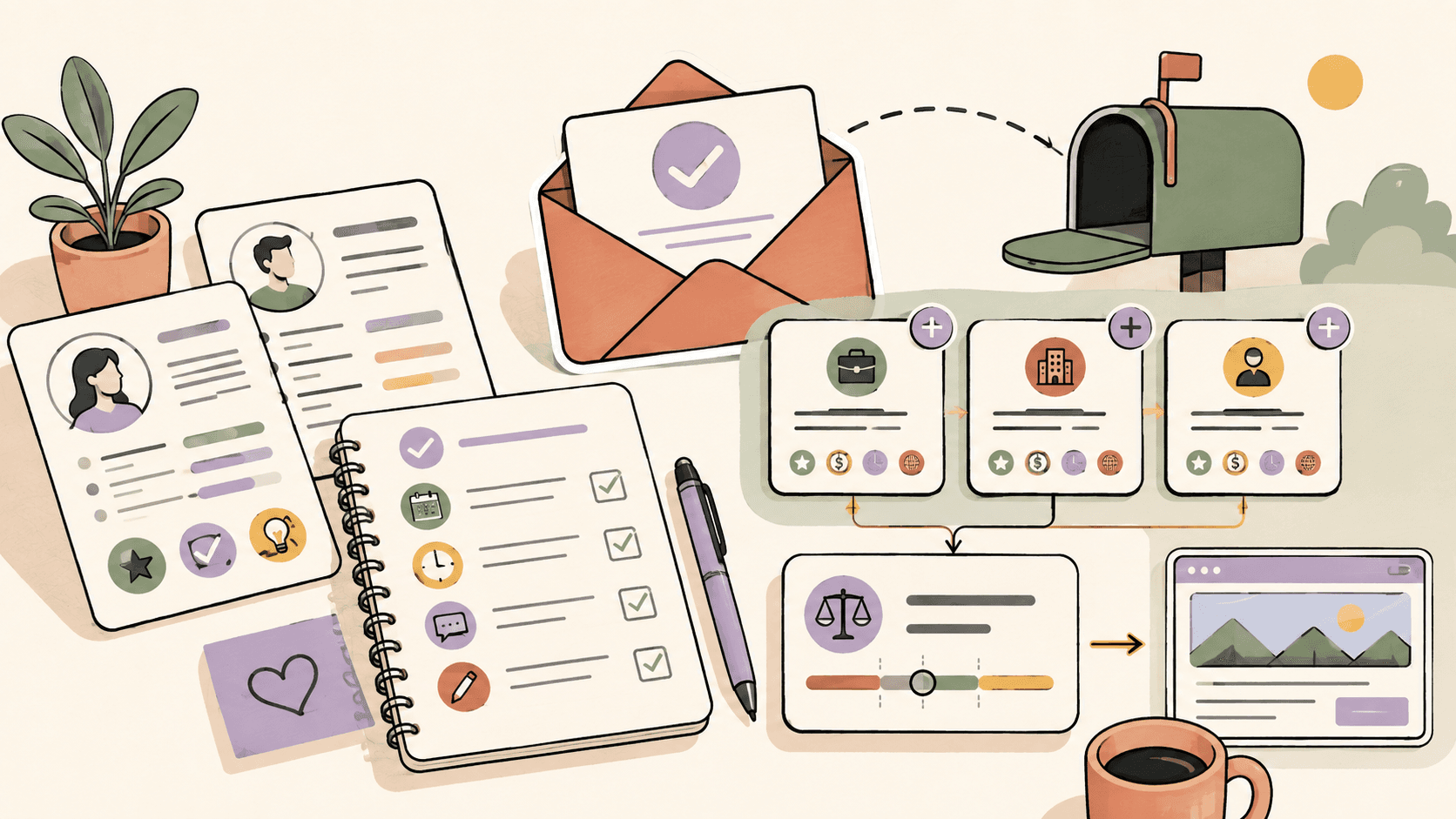
How Soon Should You Follow Up After an Interview?
The timing matters more than the wording. A simple framework that works for almost every situation:
- Within 24 hours: send one short thank-you email.
- Day 7 (or the day after the stated decision date): send one polite check-in.
- Day 14: send a graceful close-out message and move your attention elsewhere.
That's it. Two to three messages total, spread across two weeks. Anything more frequent starts to read as anxious rather than interested — and hiring managers notice the difference.
If the interviewer gave you a specific timeline ("we'll decide by Friday"), respect it. Follow up the day after that date passes, not before.
What Should the Thank-You Email Say?
Keep it under 120 words. Thank them, reference one specific thing from the conversation, and restate your interest once.
Template:
Subject: Thank you — [Role] interview
Hi [Name],
Thanks for taking the time to talk yesterday about the [Role] position. I especially enjoyed our discussion about [specific project or topic they mentioned] — it's exactly the kind of work I want to do more of.
I'm very interested in the role and happy to answer any follow-up questions.
Best, [Your name]
The specific reference is what separates a professional note from a generic one. It proves you were engaged, not just going through the motions.
Track fresh opportunities on Sidequestboard
How Do You Write a Follow-Up That Doesn't Sound Desperate?
When the decision date passes without news, send one check-in. The rules:
- Short — under 100 words.
- Specific — reference the role and the timeline they gave you.
- Value-adding — offer something new (a relevant work sample, an answer to a question that came up) instead of just asking "any update?"
Template:
Subject: Following up — [Role] position
Hi [Name],
I know you mentioned a decision by [date], so I wanted to check in on the [Role] position. Since we spoke, I put together a quick [relevant sample/idea/answer] that relates to [topic from the interview] — happy to share if it's useful.
I'm still very interested. Is there anything else you need from me?
Best, [Your name]
One follow-up is confident. A second follow-up two weeks later, framed as a polite close-out ("I'll assume the timing isn't right — please keep me in mind for future roles"), is graceful. Anything beyond that hurts you.
Is Freelance Follow-Up Different?
Yes — and this trips up a lot of independent workers. When you're following up on a freelance pitch or project inquiry (not a salaried interview), the cadence is faster:
- Follow up 2–3 days after the initial pitch, not a week.
- Two to three touches over two weeks is standard for freelance leads; clients are busy, not rejecting you.
- Always include a reason to reply: a relevant portfolio piece, a quick idea for their project, or a specific question.
Freelance clients often expect persistence. Salaried hiring managers usually don't. Adjust your cadence to the context.
What Should You Do While You Wait?
The real antidote to sounding desperate isn't better email wording — it's not needing any single opportunity to work out. When your pipeline is full, follow-ups become calm check-ins instead of anxious pleas.
Practical steps while you wait:
- Keep applying. Aim to add 3–5 new prospects to your pipeline every week so no single interview carries all the weight.
- Work public communities. Subreddits like r/forhire (which has well over a million members) and r/designjobs regularly surface freelance and contract leads. Portfolio platforms like Dribbble, Behance, and 99designs host active opportunity flows for designers. Expect to filter noise — the good posts sit alongside a lot of low-quality ones.
- Track everything in one place. The biggest time sink isn't applying; it's re-checking five different communities every morning to see if anything new appeared.
That last pain is exactly what Sidequestboard solves. Instead of keeping a dozen tabs open across Reddit, X, and other public communities, Sidequestboard pulls fresh opportunity posts from public sources into one calmer feed. You can scan what's new in a few minutes, save the posts worth pursuing, and open the original listing to apply or respond directly — so you spend your energy on pitches, not on searching.
A fuller pipeline won't just reduce the anxiety between interviews. It genuinely improves your follow-up tone, because interest and need sound completely different on the page.
Ready to Follow Up Without the Anxiety?
Send the thank-you within 24 hours, one check-in after the decision date, one close-out at day 14 — and keep new opportunities flowing in the background so no single reply feels like it decides your future. Scan fresh public opportunity posts in one calm feed with Sidequestboard and respond while leads are still warm.