August 9, 2026
Why Companies Prefer Employed Candidates (And How Freelancers Can Overcome the Bias)
Companies prefer employed candidates because a current employer validates their skills, reliability, and cultural fit. To overcome this bias as a freelancer, reframe your independent work as verifiable project history. Focus your job search on platforms that actively seek freelancers, like r/forhire, Upwork, and Contra, to bypass traditional corporate filters.
Why Do Companies Prefer Already-Employed Candidates?
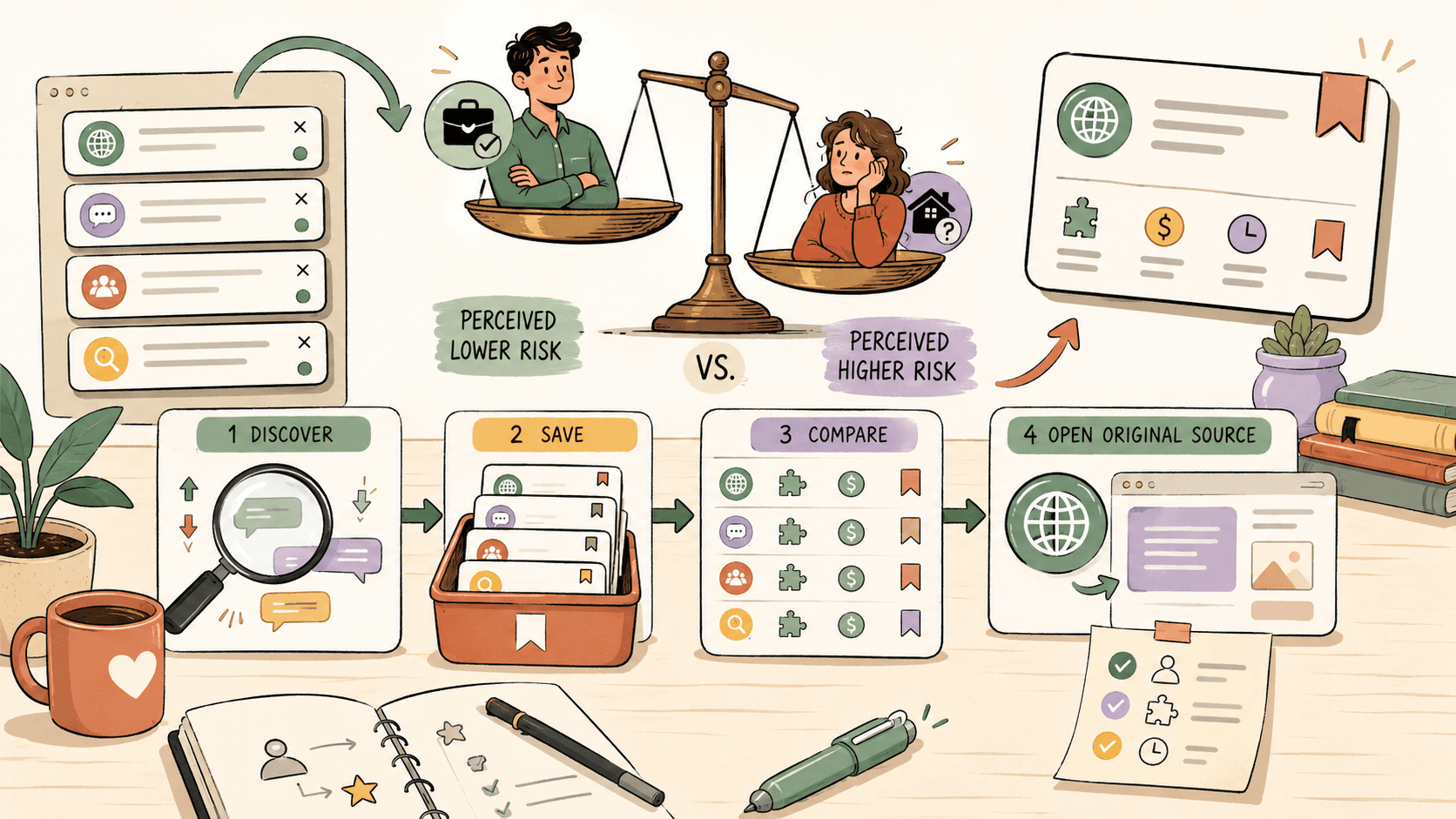
The preference for employed candidates comes down to risk reduction. Hiring is expensive and time-consuming, so hiring managers look for shortcuts to validate a candidate's worth. When someone is already employed, their current employer acts as an unofficial reference.
If a company currently employs them, the reasoning goes, they must:
- Show up consistently and on time.
- Produce acceptable work.
- Fit reasonably well within a team structure.
- Pass a background or behavioral check.
This does not necessarily mean employed candidates are better. It simply means they carry pre-validated signals that make hiring managers feel safe.
Why Is Freelance Work Treated Differently?
Freelancers often have stronger portfolios and broader experience than traditional employees. However, corporate hiring systems are not always built to evaluate independent work.
When a hiring manager sees self-employment on a resume, they may quietly wonder:
- Is this person self-employed because they cannot hold down a job?
- Will they follow instructions, or do they only want to do things their way?
- Are they going to leave the moment a better freelance gig comes along?
- How do I verify their actual performance without a manager to call?
These are unfair assumptions, but they are common. Freelancers are often filtered out by applicant tracking systems (ATS) or nervous recruiters before they can explain their value.
Browse today’s opportunities on Sidequestboard
How to Overcome the Freelance Bias?
You do not need to hide your freelance experience to get hired. You need to present it in a language that corporate hiring systems understand.
1. Quantify Your Achievements
Instead of listing yourself as a generic freelancer, describe your independent work as a series of completed projects with measurable outcomes.
- Weak: Freelance Graphic Designer (2020–Present).
- Strong: Designed 40+ brand identity packages for tech startups, averaging a 3-week turnaround.
Numbers provide the validation that a hiring manager cannot get from calling a former boss.
2. Build a Portfolio That Proves Reliability
A freelancer's portfolio often focuses on visual quality. To counter the reliability bias, include project timelines, client testimonials, and case studies that show you deliver on schedule.
3. Reframe Self-Employment as Leadership
If a hiring manager worries you cannot follow instructions, emphasize the skills required to run a business. Managing client expectations, setting scopes, and delivering under contract all prove you are highly capable.
Where Should Freelancers Look for Work Instead?
If traditional corporate hiring channels are biased against you, do not waste all your energy fighting ATS algorithms. Direct your search toward platforms and communities that actively look for freelance talent.
Freelance Marketplaces
Platforms like Upwork, Contra, Fiverr, and PeoplePerHour are built around freelance and contract work. They already understand the independent work model. Premium networks like Toptal can be highly competitive but offer much higher hourly rates for established professionals.
Social and Community Boards
Reddit communities like r/forhire, r/freelance, and r/slavelabour (despite the name, it features entry-level gigs) frequently feature direct job posts. X/Twitter is also highly active for freelance leads, especially if you monitor hashtags related to your specific niche.
The main challenge with community boards is volume. Manually checking Reddit, X, and Discord every day is exhausting, and it is easy to miss fresh opportunities. If you are spending hours searching rather than pitching, consider using a discovery tool like Sidequestboard to surface fresh leads from public communities into one feed.
Specialized Job Boards
Look for niche job boards that cater to your specific skills. We Work Remotely and Wellfound (formerly AngelList) are excellent for startup roles that often welcome non-traditional backgrounds.
Pitching on Reddit: A Quick Walkthrough
Reddit is one of the best untapped resources for freelancers, but you have to be proactive.
- Use the search bar with targeted operators, like
title:"hiring" freelanceortitle:"for hire" [your skill]. - Sort by New to catch opportunities before they are buried.
- Read the post carefully and reply publicly or via DM with a short, highly specific pitch.
A strong Reddit pitch looks like this:
I saw you need help with [specific problem]. I recently completed a similar project for [type of client] where I [specific result]. I can take this off your plate this week. Here is a link to my portfolio.
This approach works because it focuses entirely on solving the poster's immediate problem rather than just asking for a job.
The Bottom Line
The corporate bias against freelancers is not a reflection of your skills. It is simply a failure of traditional hiring systems to evaluate modern work. By quantifying your experience, targeting the right platforms, and focusing your time on communities that value independence, you can build a steady pipeline of work without fighting for the approval of biased hiring managers.