July 12, 2026
How to Start Freelancing as a Graphic Designer: A 7-Day Launch Guide
To start freelancing as a graphic designer, choose two or three services, create a four-to-six-project portfolio, set clear package prices, prepare a contract and invoice process, and contact potential clients consistently. You do not need a design degree or a large following, but you do need focused samples, reliable communication, and a way to find fresh opportunities.
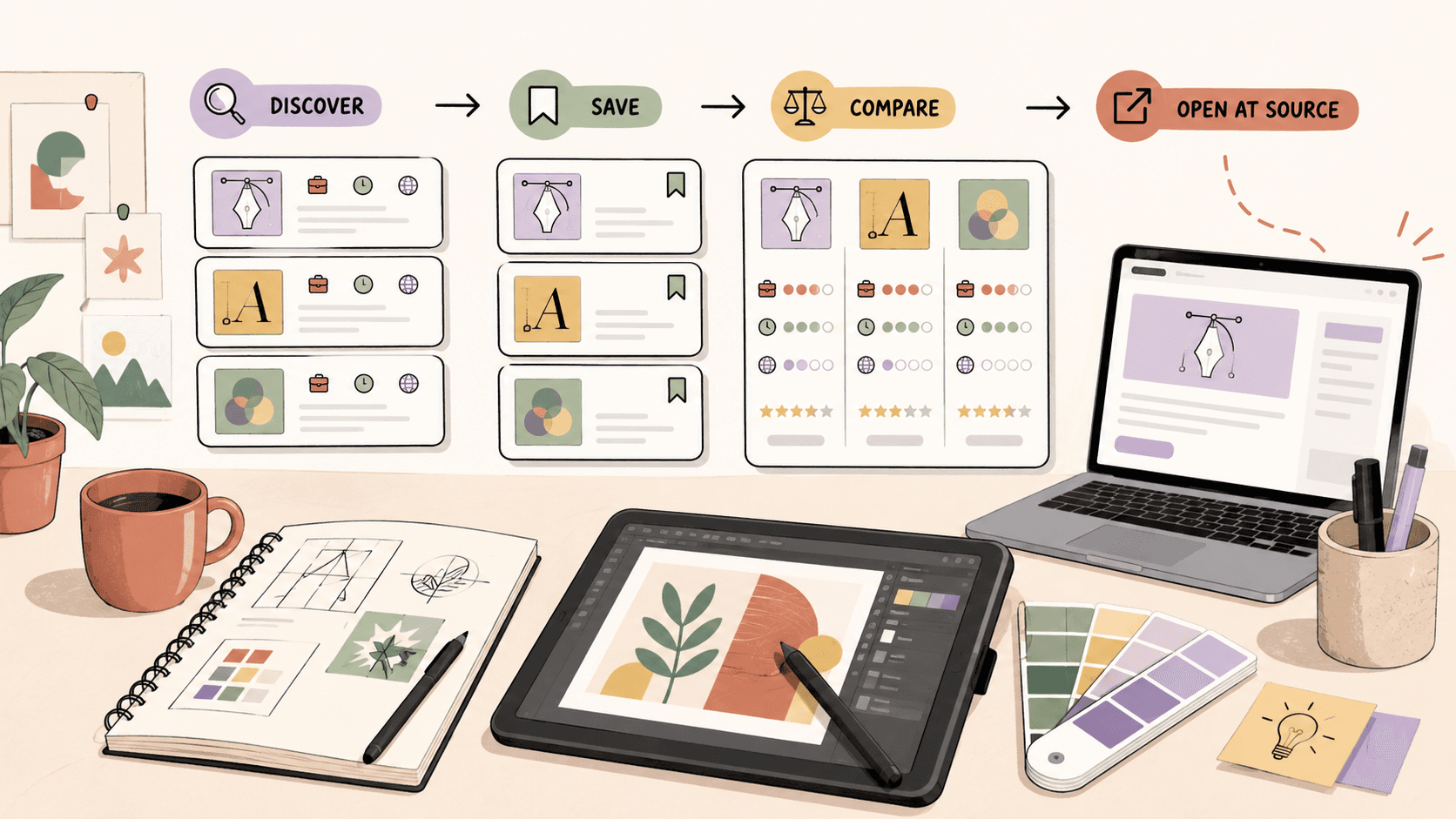
How do you start freelancing as a graphic designer?
Starting as a freelance graphic designer is easier when you treat it as two connected projects: building proof that you can solve a specific design problem and creating a repeatable system for finding and responding to work.
You do not need to offer every kind of design. A focused service menu makes your portfolio easier to understand and gives potential clients a clearer reason to hire you.
A practical beginner path is:
- Choose two or three related services.
- Create four to six strong portfolio pieces.
- Package your work and set an initial rate.
- Prepare a contract, deposit process, and invoice template.
- Find relevant opportunities on freelance platforms and public communities.
- Deliver reliably and collect testimonials or referrals.
Which graphic design services should a beginner offer?
Choose services that match both your current skills and a recognizable client need. Good starting options include:
- Social media graphics and content templates
- Presentation and pitch-deck design
- Small-business branding packages
- Logo cleanup and simple identity systems
- YouTube thumbnails and channel graphics
- Marketing flyers, menus, and digital ads
- Basic web and landing-page visuals
Try to group services by outcome rather than listing every software tool you know. For example, “a five-template social media kit for a local business” is easier to buy than “graphic design in Photoshop and Illustrator.”
A simple starter menu could include:
- Social content package: five branded templates and export-ready files
- Presentation package: a redesigned ten-slide deck with a reusable visual system
- Brand starter package: logo refinement, color palette, typography, and a short usage guide
State what each package includes, how many revision rounds are included, the expected delivery time, and what the client must provide. This prevents a small project from turning into unlimited unpaid work.
How do you build a graphic design portfolio without clients?
Create self-directed projects that resemble the work you want to be hired for. A portfolio does not need to prove that you have worked with famous brands; it needs to show your thinking, visual judgment, and ability to complete a useful deliverable.
Build four to six projects such as:
- A fictional restaurant menu and social launch kit
- A redesign concept for a small nonprofit
- A presentation for an imaginary startup
- A three-post campaign for a local service business
- A compact brand identity for a fictional product
- A before-and-after redesign of a public-domain or self-created layout
For each project, show the brief, your approach, selected design decisions, and final assets. Explain the audience and goal in two or three sentences. A short case study is more persuasive than a gallery of unexplained images.
You can publish work on Behance, a personal website, or a shareable folder. Keep the presentation clean and make it easy to contact you. Remove any work you do not want to discuss in an interview or client call.
How should a beginner set freelance graphic design rates?
Start with a price that reflects the scope, not only the number of hours you expect to spend. A fixed project price is often easier for a new client to understand than an hourly estimate.
For example, you might test an initial range such as:
- Small single asset: $50–$150
- Small social content package: $150–$400
- Presentation or deck refresh: $250–$800
- Brand starter package: $300–$1,000
These are planning examples, not universal market rates. Adjust them for your location, experience, complexity, turnaround time, client type, and the number of revisions. Compare current listings on Upwork, Fiverr, Contra, and PeoplePerHour, then check each platform’s official pricing or help documentation before relying on any fee information. Platform terms and fees can change.
A useful pricing formula is:
Project price = estimated work time × target hourly rate + revision and administration buffer
Your proposal should specify the deliverables, file formats, timeline, revision limit, payment schedule, and what happens if the client adds work. If you are unsure what to charge, offer a smaller first project instead of promising a large package at an unsustainably low price.
What should a freelance graphic design contract include?
Use a written agreement before beginning paid work. It can be simple, but it should remove ambiguity about payment and ownership.
Include:
- Names and contact details of both parties
- Exact deliverables and file formats
- Project milestones and deadlines
- Number of included revision rounds
- Total price and payment dates
- Deposit or cancellation terms
- Late-payment terms
- Approval and feedback process
- Transfer of final usage rights after full payment
- Credit, portfolio, and confidentiality terms
Many freelancers request a deposit before starting. A 50% deposit is a common business practice, but the appropriate amount depends on the project and your local rules. State the payment schedule clearly and confirm it in writing.
For tax, business-registration, and contract requirements, check the rules that apply where you live or consult a qualified professional. Do not copy a template without understanding its terms.
Where can a beginner find graphic design clients?
Use a mix of platforms and communities rather than depending on one source. Options include:
- Upwork: search for defined design projects and submit tailored proposals.
- Fiverr: package a specific service and make the scope visible before a buyer orders.
- Contra: present a portfolio and look for independent project opportunities.
- PeoplePerHour: review project listings and apply when your samples match.
- Behance: publish case studies and use the platform as portfolio proof.
- Reddit: check communities such as r/forhire, r/designjobs, and relevant industry subreddits, while following each community’s rules.
- LinkedIn: contact small companies, founders, marketers, and agencies with a relevant sample rather than a generic pitch.
- Local and professional communities: look for business groups, creator communities, and events where design needs are discussed publicly.
Search quality matters more than sending the largest number of messages. Before replying, check whether the post describes a real need, identifies a decision-maker, explains the budget or scope, and provides a legitimate way to communicate.
If you monitor several public communities, get Sidequestboard for iPhone on the App Store to review fresh opportunity posts in one calmer feed instead of refreshing r/forhire, r/designjobs, and multiple platforms all day. Open the original listing before responding and apply through its stated process.
How do you write a freelance design pitch?
A good pitch proves that you read the brief. Keep it short and connect one relevant sample to the client’s stated problem.
Example for a social media project:
Hi, I saw that you need a reusable social template set for your fitness studio. I designed a similar five-template concept focused on readable class details and consistent branding: [portfolio link]. I can create the templates in your preferred format, include two revision rounds, and deliver the first direction within three business days. Could you share your existing brand assets and the number of templates you need?
Example for a presentation project:
Hi, I can help reorganize your investor deck around a clearer visual hierarchy. My portfolio includes a ten-slide presentation redesign with simplified charts and consistent section layouts: [portfolio link]. I would first review the current deck, then provide one visual direction before completing the remaining slides. What is your target presentation date?
Avoid claiming guaranteed results, pretending to have worked with a brand you have not worked with, or sending the same generic paragraph to every prospect.
What is a practical seven-day launch plan?
Day 1: Choose your offer
Select two or three services and define the client type you want to help. Write down what is included and excluded from each service.
Day 2: Audit your existing work
Choose your strongest relevant designs. Remove weak samples and identify gaps that can be filled with self-directed projects.
Day 3: Create or finish portfolio pieces
Complete one focused project and write a short case study explaining the brief, audience, decisions, and result you intended to create.
Day 4: Set up your business basics
Create a professional email address, portfolio page, proposal template, contract, invoice template, and project folder structure.
Day 5: Create profiles and a lead list
Set up only the platforms that match your service. Add portfolio links, a clear description, and a list of relevant communities or potential clients.
Day 6: Send tailored outreach
Send a small number of specific proposals or messages. Mention the client’s need, link to one relevant sample, and ask one useful question.
Day 7: Review and improve
Track responses, questions, and objections. Improve your portfolio or offer based on what people find unclear, then schedule a repeatable weekly search and outreach block.
How can you avoid freelance design scams?
Be cautious when a client:
- Asks you to pay money to receive work
- Sends an oversized check and asks for a refund
- Wants extensive unpaid test work
- Refuses to describe the project or decision-maker
- Pressures you to move to an unusual payment method
- Requests personal financial information too early
- Offers an unusually large payment for trivial work
- Asks you to purchase equipment or gift cards on their behalf
Verify the person or organization independently. Keep project details and payment terms in writing. Do not begin substantial work without an agreed scope and payment arrangement. The Federal Trade Commission’s job-scam guidance is a useful reference, but local consumer-protection and tax agencies may also apply.
What should you do after completing your first project?
Deliver files in an organized way and explain what is included. Ask the client to confirm approval in writing, then request a short testimonial focused on the problem you solved. With permission, turn the project into a case study.
Record the type of work, quoted price, actual time spent, revisions, and client feedback. This information helps you price future projects more accurately. Over time, raise rates when your demand, speed, specialization, or portfolio evidence improves.
Freelancing becomes more sustainable when client work, portfolio development, administration, and lead discovery are treated as a weekly system rather than a one-time launch.
Frequently asked questions
Do I need a degree to start freelancing as a graphic designer?
No. Clients usually care more about relevant samples, communication, reliability, and the ability to complete the requested work. A degree can be useful in some hiring situations, but it is not a universal requirement for independent projects.
How many portfolio pieces should a beginner have?
Aim for four to six relevant, polished pieces. A smaller portfolio with clear case studies is generally more useful than a large gallery of unrelated work.
What should a beginner charge for graphic design?
Use project scope, complexity, turnaround time, revisions, and your experience to set a price. Test a sustainable starting range, compare similar current listings, and check each platform’s official pricing and help pages because rates and fees vary and may change.
Should freelance graphic designers charge a deposit?
A deposit can reduce risk and reserve time for the project. Many freelancers use a partial deposit, such as 50%, but the right arrangement depends on the project, client, and applicable local rules. Put the payment schedule in a written agreement.
Where can new graphic designers find their first clients?
Look at Upwork, Fiverr, Contra, PeoplePerHour, Behance, LinkedIn, Reddit communities such as r/forhire and r/designjobs, and relevant local or professional groups. Choose channels where your target clients already describe the kind of work you offer.
How do I write a graphic design proposal?
Refer to the client’s specific need, link to one relevant sample, explain your proposed deliverable and timeline, and ask one useful question. Keep the message concise and avoid unsupported claims or generic mass outreach.
How can I tell whether a freelance design job is a scam?
Avoid offers that require upfront payment, oversized-check refunds, extensive unpaid work, unusual payment methods, or sensitive information before a legitimate agreement. Verify the client independently and use a written scope and payment schedule.
Can Sidequestboard replace a freelance marketplace?
No. Sidequestboard is a discovery dashboard for fresh public opportunity posts, not a marketplace, employer, or guarantee of work. You still open the original listing and apply or respond through its stated process.
Get Sidequestboard for iPhone to find and save fresh public opportunities.
Sources
- Upwork — Freelancer Service Fee — Official platform fee information; verify current terms before relying on pricing.
- Fiverr — Your Earnings — Official platform fee information; verify current terms before relying on pricing.
- PeoplePerHour — Service Fees — Official platform fee information; verify current terms before relying on pricing.
- Contra — Pricing — Official platform fee information; verify current terms before relying on pricing.
- www.irs.gov — Official or institutional source referenced in the article body.
- consumer.ftc.gov — Official or institutional source referenced in the article body.